44 health claims on food labels australia
Nutrition labels and claims in New Zealand and Australia ... Methods: 1,262 food labels from products on sale in Australia and NZ in 2003 were examined. Results: 43% products carried nutrition or health claims. More products featured nutrition claims (42%) than health claims (11%). 40% health claims were NHF endorsements and 23% were function claims. Author, year, country: Williams, 2003, 28 Australia PDF Getting Your Claims Right - Food Regulation All food businesses, including importers, in Australia and New Zealand must comply with Standard 1.2.7 when making nutrition content claims and health claims on food labels, in advertisements and in endorsements on food. The diagram on page 4 can help you consider whether Standard 1.2.7 applies to any claims made.
About food labels | Health and wellbeing | Queensland ... GM food labelling Health advisory labels on alcoholic beverages Health claims (nutrition, health and related claims) Ingredient lists and percentage labelling Labelling for religious, environmental, animal welfare and other consumer value issues Nutrition information panels Truth in labelling Warning and advisory statements
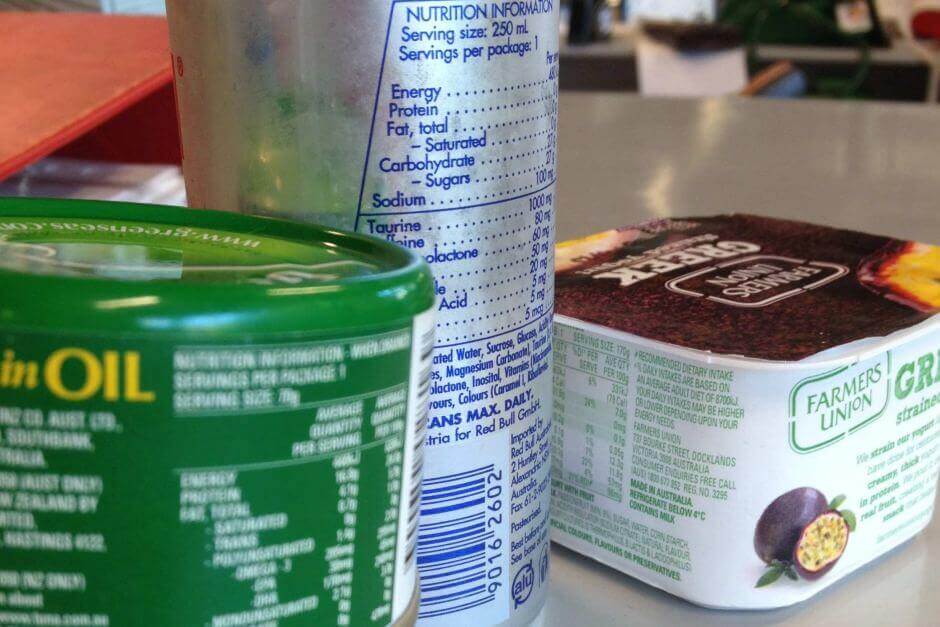
Health claims on food labels australia
XanGo - Wikipedia Xango was warned that it could face enforcement action including seizure and/or injunction of products or suspension of business. Under FDA drug labeling rules, Xango, as manufacturer, is responsible for satisfying scientific criteria to make health claims on its product labels and all marketing materials. How effective is food industry self-substantiation of food ... food standard 1.2.7 (the 'standard' hereafter) on nutrition, health and related claims permits three types of claim on food labels: (i) nutrition content claims highlighting the presence or absence of a nutrient, e.g. 'contains calcium'; (ii) general-level health claims stating, suggesting or implying that a food or property of that food has a … Regulating health claims on food labels using nutrient ... Regulating health claims on food labels using nutrient profiling: what will the proposed standard mean in the Australian supermarket? The number of products carrying nutrition content claims that did not meet the nutrient profiling criteria suggests that comprehensive regulation is warranted.
Health claims on food labels australia. Regulating health claims on food labels using nutrient ... Proposed Australian regulation of claims on food labels includes requirements for products carrying a health claim to meet nutrient profiling criteria. This would not apply to nutrition content claims. The present study investigated the number and healthiness of products carrying claims and the impact of the proposed regulation. Design Health & nutrition claims | NSW Food Authority The Food Standard Code contains 200 pre-approved food-health relationships that any health claim must comply with. From January 2016, food businesses must comply with criteria set out in Standard 1.2.7 (Nutrition, health and related claims) for food labels and advertisements. Advertising Compliance and Food Packaging | LegalVision This article will explain the laws regarding food advertising and what claims, as a business, you are permitted to make. Food Standards Legislation. The Food Standards Australia New Zealand Act 1991 (Cth) contains the Australia and New Zealand Food Standards Code (' the Code ') and governs food packaging and labels. The objectives of this ... Health and nutrition claims - NSW Food Authority Health and nutrition content claims are voluntary statements made by food businesses on labels and in advertising about the health benefits of the food and need to meet the criteria set out in the Food Standards Code. Health claims refer to a relationship between a food and health.
What Are The Labelling and Packaging Laws in Australia ... As a general rule, all product packaging and labels must comply with the Australian Consumer Law (ACL). The ACL prohibits you from making misleading, deceptive, or false claims on your products. You must also ensure that your product labels comply with any specific laws that apply in your industry, such as the food standards code. Authorized Health Claims That Meet the Significant ... Authorized health claims in food labeling are claims that have been reviewed by FDA and are allowed on food products or dietary supplements to show that a food or food component may reduce the ... Health, nutrition and credence claims - food marketing and ... The new Standard 1.2.7 - Nutrition, Health and Related Claims regulates the voluntary nutrition and health content claims that food businesses can make on labels and in advertising. The goal of the... Nutrition, health and related claims - Food Standards Health claims. You can only base health claims on food-health relationships that have been substantiated according to Standard 1.2.7. All health claims must be supported by scientific evidence to the same degree of certainty, whether they are pre-approved by us or self-substantiated by food businesses. General level health claims
Food labelling and packaging: Nutrition, health claims and ... Food and drink labelling and packaging regulations - what you must show, warnings, health and organic labels and packaging standards. CHOICE guide to food labelling - Nutrition Nutrition content claims and health claims. In 2013, a new standard was introduced to regulate nutrient claims and health claims on food labels. Nutrition content claims are claims about the content of certain nutrients or substances in a food, such as 'low in fat' or 'good source of calcium'. These claims will need to meet certain ... Labelling Guidance - Australian ... - Australian Beverages Nutrition content claims and health claims. Nutrition content claims and health claims are voluntary statements made by food businesses on labels and in advertising about a food. Standard 1.2.7 sets out the rules for food businesses choosing to make nutrition content claims and health claims. Allergen labelling - Food Standards Nov 19, 2020 · Australia's safe food system . Australian Public Service employee census 2021. Committees and groups. Feedback and complaints. Food enforcement contacts . Food law and treaties. Information Publication Scheme. Measuring Up. Modernisation of food regulation. Our role in supporting nutrition-related public health . Service Charter. Stakeholder ...
Simple guide to Australian food labels | Compare the Market
Health-related claims on food labels in Australia ... Abstract Objective: Health and related claims on food labels can support consumer education initiatives that encourage purchase of healthier foods. A new food Standard on Nutrition, Health and Related Claims became law in January 2013. Implementation will need careful monitoring and enforcement to ensure that claims are truthful and have meaning.
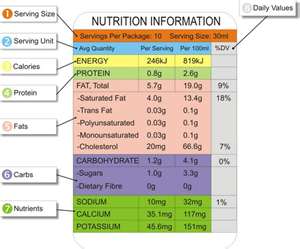
Manufacturers Need Evidence Promoting Food and Drinks With Health Benefits Claim - Ideas Galore
Label your products | business.gov.au Label your products. Labels are a key feature of most products. They help to market the product, allow customers to tell it apart from the competition, and give important messages including ingredients, instructions and uses. This page explains the different types of labels and claims you can make when you manufacture, package or sell products.
37 The Information Provided On A Food Label That Identifies - Labels 2021
Nutrition content and health claims | Obesity Evidence Hub Australia's Food Standards Code sets out requirements for manufacturers wishing to make nutrient content claims ('low in fat') and health claims ('nuts contribute to heart health') on food labels. Fair trading laws in Australia also require that food labels do not misinform consumers through false, misleading or deceptive representations.

How to read food labels - healthdirect In Australia, the law requires all manufactured foods to carry labels containing safety and nutrition information. This information helps you to make decisions about the food you buy and eat so you can follow a healthy diet. The label will tell you: the name of the product, describing accurately what it is the brand name
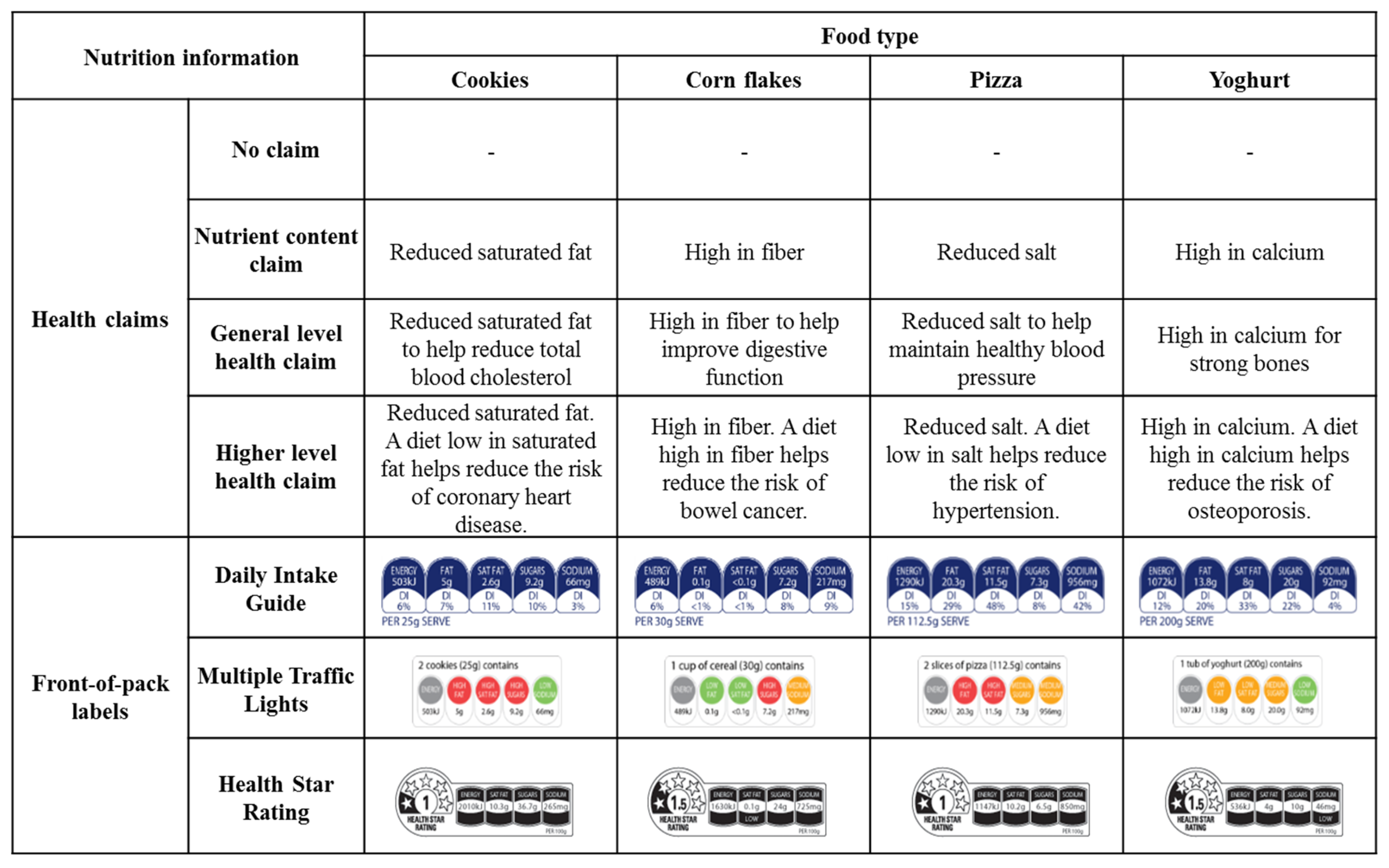
31 Which Health Claim On A Food Label Is Not Allowed - Labels Database 2020
HEALTH CLAIMS ON FOOD claims on food products was introduced in Australia and New Zealand, in accordance with the fundamental nutrition principle that it is the total dietary balance that is important for health, and not individual foods claiming special medical benefits. 2. This prohibition policy has effectively prevented many

Abi Titmuss on her battle for self-respect: I was making £30,000 a day but I could feel my lack ...
Understanding Food Labelling in Australia | PediaSure Remember, all labels on food in Australia must tell the truth, and any health claims on food labels must follow strict rules set out by the Government. So you can be reassured that the information you find on the PediaSure label has been properly researched and verified. 1,2 .

This is what 'electrolytes' really are | The New Daily
Food labelling | NSW Food Authority New requirements for labelling the most common allergens in food commenced on 25 February 2021. The changes to the Food Standards Code will help people find allergen information on food labels more quickly and easily, so they can make informed and safe food choices. For more information see Changes to allergen labelling.

Front of Package Nutrition Warning Labels - Healthy Caribbean Coalition
Standard 1.2.7 Nutrition, health and related claims As at 29 November 2018 Standard 1.2.7 Standard 1.2.7 Nutrition, health and related claims Note 1 This instrument is a standard under the Food Standards Australia New Zealand Act 1991 (Cth). The standards together make up the Australia New Zealand Food Standards Code. See also section 1.1.1—3.
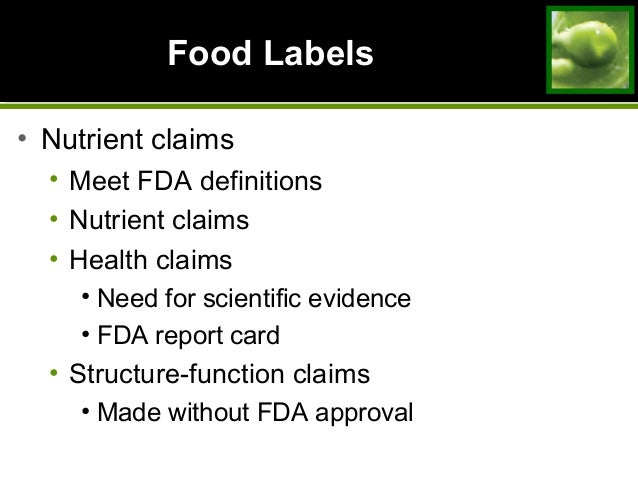
Wk5ch2
Label Claims for Food & Dietary Supplements | FDA Among the claims that can be used on food and dietary supplement labels are three categories of claims that are defined by statute and/or FDA regulations: health claims, nutrient content claims,...

Food labels - Better Health Channel There are only 13 pre-approved high level health claims that can be made in Australia. Voluntary labelling - Percentage Daily Intake (%DI) and Health Star Rating (HSR) Some manufacturers voluntarily display additional symbols related to the nutrition content of the product.

30 Food Label Claims
How to understand food labels | Eat For Health Sometimes labels will include nutrition content claims like 'low fat', 'reduced salt' or 'high fibre'. These claims can only be used if the food meets certain criteria. For example, with a 'good source of calcium' claim, the food must contain more than a set amount of calcium.

Business Diary: October 2011
Why You Should Stop Worrying About Olive Oil's Smoke Points Apr 20, 2021 · In a 2010 Food and Chemical toxicology study, when researchers fried various types of olive oil, only after 24 to 27 hours of frying were the oils considered to be harmful.
Health Claims on Food Labels
Nutrition content claims and health claims - Food Standards Health claims are only permitted on foods that meet the Nutrient Profiling Scoring Criterion (NPSC). For example, the Standard doesn't allow health claims on foods higher in saturated fat, sugar or salt. There are 2 types of health claims - general and high level.

New Health Canada campaign to explain food labels | Toronto Sun
Can we trust the health claims on food labels? - EIT Food 30 Jan 2020. place. EIT Food North-West. Consumers don't always understand or trust the health claims on food packaging labels. The University of Reading are developing a digital toolkit to enhance the scientific communication of health claims as part of an EIT Food project. This project aims to form a set of guidelines for how to communicate ...

Diet and nutrition health advice | Dietitians Australia As the leading voice of nutrition in Australia, we're helping build healthy communities. Read our advice to learn how diet and nutrition can improve your health and wellbeing. Evidence-based health advice. Our growing library of health advice articles feature the latest scientific evidence about human nutrition.
Health Claims on Food Labels, 978-613-3-80486-9, 6133804866 ,9786133804869
Activia - Wikipedia The EU health claims law. Since 2007, European Regulation 1924/2006 demands that health food companies come up with the scientific evidence to back their labeling and advertising. Member states are asked to submit health claims from manufacturers who have to wait for the approval of the European Food Safety Authority (EFSA).

Emer O'Toole on This Morning: Can it EVER be socially acceptable to have hairy armpits? | Daily ...
Food labelling - health.vic.gov.au Food labels are required by law to carry essential information so that consumers are informed of the nature and properties of foods prior to purchase -- this includes statements about the presence of allergenic ingredients that could lead to life-threatening allergic reactions in susceptible persons if the labelling information is not accurate.
Post a Comment for "44 health claims on food labels australia"